
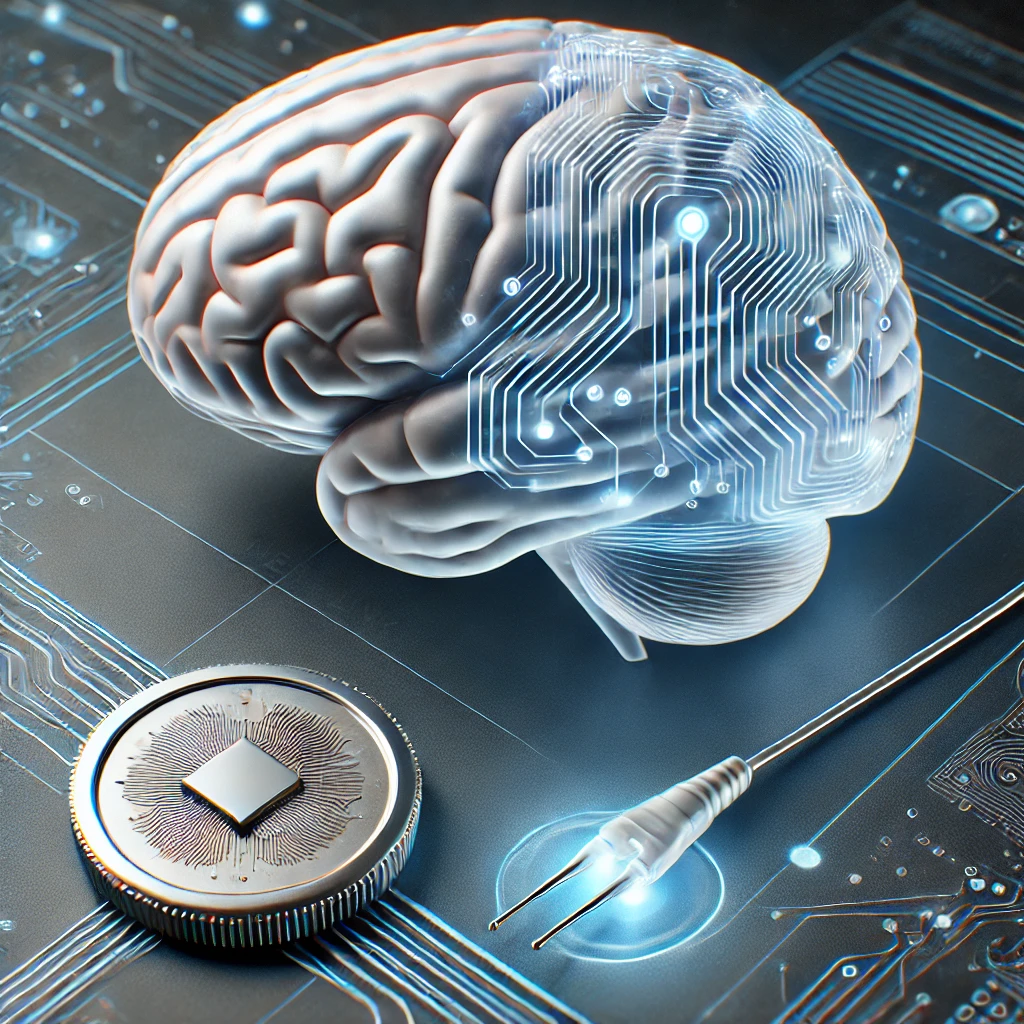
Neuralink
Introduction
The convergence of technology and biology is becoming a reality with projects like Neuralink, a groundbreaking venture by Elon Musk. Established in 2016, Neuralink aims to create a seamless interface between the human brain and computers, potentially revolutionizing fields like medicine, cognitive enhancement, and even artificial intelligence integration.
But what exactly is Neuralink, how does it work, and what could it mean for our future? Let’s explore the key concepts behind this ambitious project.
What Is Neuralink?
Neuralink is a neurotechnology company focused on developing brain-machine interfaces (BMIs). The company’s goal is to enable direct communication between the human brain and computers by implanting tiny electrodes, known as “neural threads,” into specific areas of the brain.
The central concept is to create a high-bandwidth interface that allows the brain to send and receive information from computers. Neuralink envisions a future where this technology can enhance human capabilities, treat neurological conditions, and potentially merge human cognition with artificial intelligence.
How Neuralink Works
At its core, Neuralink’s technology consists of three main components:
- Neural Threads: These are ultra-thin, flexible electrodes implanted into the brain. Each thread is much thinner than a human hair, reducing the risk of tissue damage. These threads can read neural signals and potentially stimulate brain activity.
- The Link Device: A small, coin-sized implant that sits flush with the skull, connecting to the neural threads. This device captures brain signals and transmits them wirelessly to a computer or a smartphone.
- Surgical Robot: A highly specialized robot designed to implant the neural threads with high precision. The robot avoids blood vessels, minimizing trauma and maximizing safety during the implantation process.
The implantation procedure is intended to be as simple as a LASIK eye surgery, allowing patients to go home the same day. Once implanted, the Link can wirelessly transmit real-time brain activity to external devices, potentially allowing users to control computers, smartphones, or even prosthetic limbs with their thoughts.
Potential Applications of Neuralink
The implications of Neuralink’s technology are vast, with potential applications in several key areas:
- Restoring Mobility and Senses:
- Neuralink could help patients with spinal cord injuries regain control of their limbs by bypassing damaged nerve pathways.
- It could also be used to restore vision by directly stimulating the visual cortex, even in individuals who have been blind since birth.
- Treating Neurological Disorders:
- Neuralink is exploring ways to treat conditions like depression, epilepsy, and Parkinson’s disease by stimulating specific regions of the brain.
- By fine-tuning neural activity, the technology could potentially alleviate symptoms of anxiety, OCD, and even dementia.
- Cognitive Enhancement:
- Beyond medical applications, Neuralink could eventually enhance memory, learning, and concentration, allowing users to recall information at will.
- The technology could enable direct brain-to-brain communication, potentially leading to a new era of telepathic interactions.
Ethical Considerations
As exciting as Neuralink’s potential is, it also raises significant ethical questions:
- Privacy Concerns: If neural data can be read and interpreted, how do we protect individuals’ thoughts from being accessed or misused? The potential for data breaches or surveillance is a serious concern.
- Social Inequality: Access to Neuralink’s cognitive enhancements could deepen social divides, with only the wealthy benefiting from enhanced abilities, creating a new form of inequality.
- Autonomy and Consent: How do we ensure that people undergoing these procedures fully understand the risks? Could there be unintended consequences of altering brain activity?
Neuralink must address these concerns responsibly to avoid unintended negative impacts on society.
Challenges and the Road Ahead
Neuralink is still in the early stages of development, facing challenges on multiple fronts:
- Technological Complexity: The human brain is an incredibly complex organ, with trillions of neural connections. Mapping these connections accurately and interfacing with them non-invasively is a monumental task.
- Regulatory Hurdles: Before Neuralink’s devices can be widely adopted, they must pass rigorous clinical trials and receive approval from regulatory bodies like the FDA.
- Public Acceptance: As with any new technology, gaining the trust of the public is crucial. People may be hesitant to adopt a technology that involves implanting devices in their brains, especially given concerns about long-term safety.
Despite these challenges, Neuralink has already made impressive strides, with animal trials demonstrating the feasibility of reading brain signals with high precision. The company plans to start human trials soon, focusing initially on medical applications to treat conditions like paralysis.
The Future of Neuralink
Elon Musk’s long-term vision for Neuralink is nothing short of science fiction turned reality. He envisions a future where humans can enhance their cognitive abilities and eventually achieve a form of symbiosis with artificial intelligence. In the short term, however, the focus remains on medical applications, aiming to help people regain lost abilities and improve their quality of life.
If successful, Neuralink could open up entirely new frontiers in human-computer interaction, potentially transforming the way we think, learn, and communicate.
Conclusion
Neuralink is a bold experiment in the field of brain-machine interfaces, promising to bridge the gap between our biological brains and the digital world. While there are many challenges and ethical questions to address, the potential benefits in healthcare, cognitive enhancement, and human-AI collaboration are undeniable.
At OnThePulse, we’ll continue to follow Neuralink’s journey as it pushes the boundaries of what’s possible. Stay tuned for more updates on this revolutionary technology and its implications for our future!